
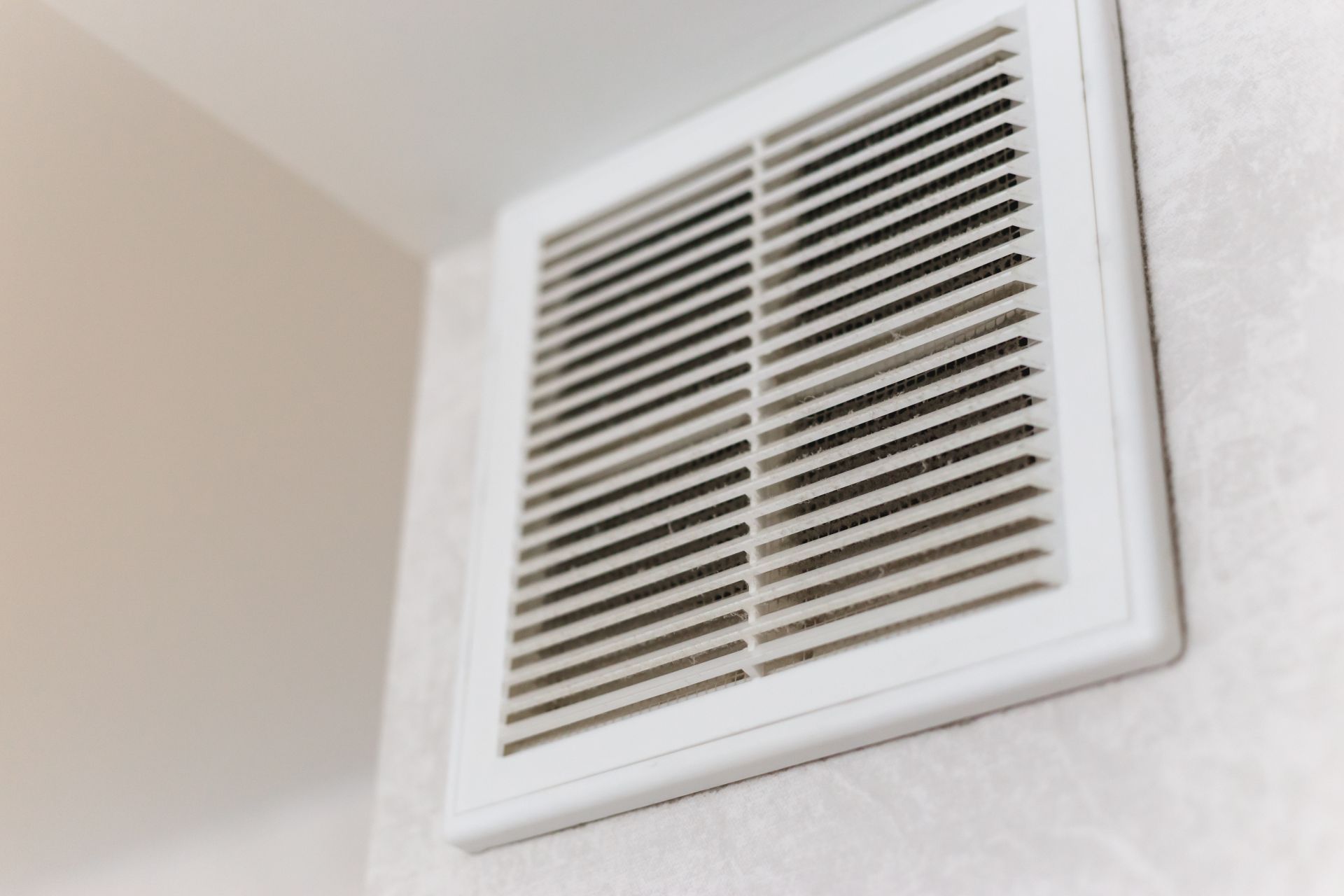
Indoor Air That Actually Protects Your Family
Residential Air Purification in Spartanburg for households dealing with allergens, dust accumulation, and seasonal indoor air quality concerns
TACL Home Services installs residential air purification systems that reduce allergens, dust, and airborne particles throughout homes in Spartanburg and surrounding areas. Your existing HVAC system can integrate with energy-efficient purification equipment designed to filter contaminants before they circulate through living spaces. Families dealing with seasonal pollen from pine and oak trees, or managing indoor humidity that traps dust and mold spores, notice cleaner air within days of installation.
Air purification addresses what standard filtration misses: microscopic particles, volatile organic compounds from household products, and biological contaminants that trigger allergic responses or respiratory discomfort. The system pulls air through multiple filtration stages, capturing particles as small as 0.3 microns before conditioned air returns to your rooms. This process runs continuously during heating and cooling cycles, maintaining consistent air quality without requiring separate standalone units in every room.
Request an indoor air quality evaluation to determine which purification approach matches your home's airflow design and family's specific concerns.
What Proper Air Purification Requires
Professional installation ensures purification equipment integrates with your existing ductwork and HVAC airflow patterns without restricting system performance. Technicians measure static pressure, assess filter housing compatibility, and position purification units where they process the highest volume of return air. Systems designed for residential use balance filtration effectiveness with energy consumption, running efficiently alongside your furnace or air handler without causing equipment strain or increasing utility costs significantly.
After installation, you'll notice less dust settling on furniture between cleanings, reduced odors from cooking or pets lingering in common areas, and fewer allergy symptoms during high-pollen months when Bradford pear and ragweed release seasonal allergens across the Upstate region. Surfaces stay cleaner longer because fewer particles escape filtration and deposit throughout your home.
Ongoing performance depends on filter replacement schedules that vary based on household size, pet presence, and outdoor air quality. Most residential systems require filter changes every six to twelve months, with indicator lights or pressure sensors alerting you when filtration efficiency drops below optimal levels.
What Homeowners Usually Ask
These questions come up frequently when families evaluate air purification options for their homes.
How does air purification work with my current heating and cooling system?
The purification unit installs directly into your return air duct, processing all air before it reaches your furnace or air handler, then circulates cleaned air through your existing supply vents without requiring ductwork modifications.
What types of contaminants does residential purification remove?
Systems capture pollen, pet dander, dust mite particles, mold spores, bacteria, and volatile organic compounds released by cleaning products, paints, and building materials, reducing airborne concentrations throughout occupied spaces.
When should I consider adding purification to my home?
Families managing seasonal allergies, homes with multiple pets, properties near high-traffic roads in Spartanburg where diesel particulates and road dust infiltrate through ventilation, or households with young children and elderly members benefit most from whole-home purification.
How often do purification filters need replacement?
Depending on system type, filters require replacement every six to twelve months, with HEPA-grade filters lasting longer in homes without pets and households that change HVAC filters regularly to reduce upstream particulate load.
Will air purification affect my energy bills?
Energy-efficient models add minimal electrical draw, typically between 50 and 150 watts during operation, comparable to running a standard ceiling fan, while maintaining airflow without increasing heating or cooling runtime.
TACL Home Services provides free estimates for residential air purification systems tailored to your home's square footage, existing HVAC configuration, and indoor air quality goals. Schedule a consultation to review equipment options and installation requirements specific to your property in Spartanburg.